
Rosacea in Midlife: Why It Shows Up Now and What Actually Helps
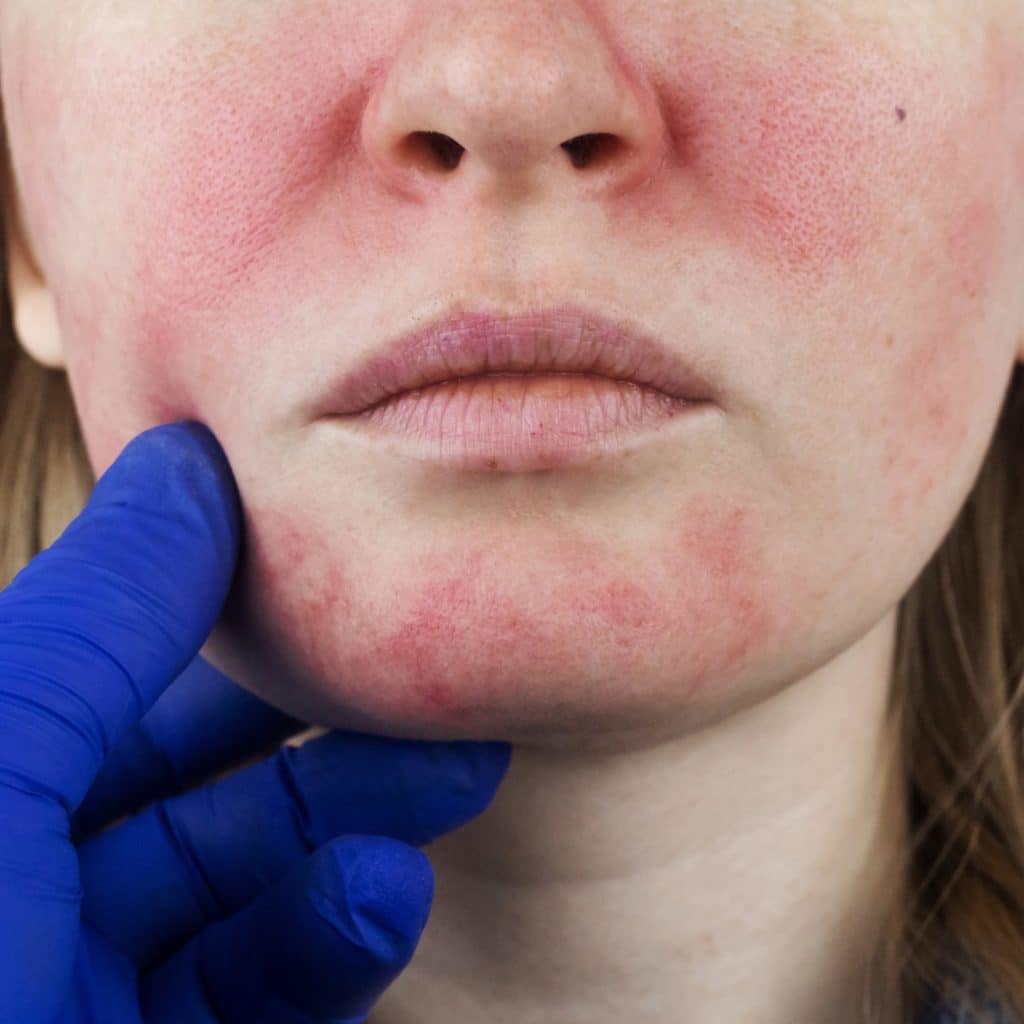
Rosacea is one of those skin conditions many women assume they were spared, but rosacea in midlife is far more common than most people realize. For many women it appears for the first time during perimenopause. Understanding what it is, and what it is not, is the first step toward getting real relief.
What is rosacea?
Rosacea is a chronic inflammatory skin condition that mostly affects the central face: the cheeks, nose, chin, and forehead. It tends to come and go in cycles, with flare-ups followed by calmer stretches. The most common signs are persistent redness, flushing that comes on easily, visible tiny blood vessels, and a stinging or burning sensation. Some people also get small red bumps or pimple-like breakouts, which is why rosacea is so often mistaken for acne. Rosacea can also affect the eyes, causing dryness, grittiness, or redness, and that is worth mentioning to your doctor.
Why it shows up more in midlife
Rosacea most often begins between the ages of 30 and 60, and perimenopause sits right in the middle of that window. Researchers do not fully understand the cause, but several midlife changes plausibly play a role. Fluctuating estrogen affects how your blood vessels respond to heat and stress, which is the same mechanism behind hot flashes, so a face that flushes more easily can be a natural consequence. Declining estrogen also affects collagen, thickness, and moisture, which leaves the skin barrier thinner and more reactive. A weaker barrier lets irritants in more readily and makes skin sting at products it tolerated for years. Add the stress, disrupted sleep, and changes in alcohol tolerance that often come with this stage of life, and you have a setup where rosacea can show up.
It is worth saying plainly that hormones are a likely contributor and not a proven single cause. Genetics, sun exposure, an overactive immune system, higher number of skin mites, and the skin’s immune response all matter too.
Who can get it, and why it is mostly women
Anyone can develop rosacea, including men and people of every skin tone. Women are diagnosed more often, particularly in midlife, which fits with the hormonal picture above, though men’s symptoms tend to be far more severe. For example, men who get rosacea can have more severe thickening of the skin on the nose. Rosacea is diagnosed most often in people with fair skin and a family history of it, but it is frequently missed in medium and deeper skin tones because redness is harder to see. In those skin tones it may show up as warmth, burning, swelling, or bumps, so a lack of obvious pink does not rule it out.
Rosacea or irritation? Why it is worth getting checked
Redness has many causes, and several of them look very similar. A few clues can help you notice patterns, though none of them replaces an exam.
- Irritation or contact dermatitis usually follows a specific product or habit and often improves within days once you stop using the culprit. It can show up anywhere the product touched and may itch more than it burns. I walk through this in my skin irritation post.
- A damaged skin barrier causes stinging, tightness, and reactivity that can mimic rosacea, and it can also set off a rosacea flare. My barrier post covers how to rebuild it.
- Seborrheic dermatitis tends to bring greasy-looking flakes along the sides of the nose, eyebrows, and hairline.
- Acne typically involves blackheads and clogged pores, while rosacea bumps appear without them.
- Rosacea tends to center on the middle of the face, flush in response to triggers like heat, alcohol, spicy food, sun, or stress, and persist or recur despite a gentle routine.
Because these conditions overlap and are treated differently, a dermatologist is the right person to sort it out. Treating rosacea like acne, for example, with stronger exfoliants, can make it much worse.
What can help
Treatment works best when it combines a gentle routine, trigger awareness, and, for some, a prescription.
Prescription options your dermatologist may discuss include azelaic acid at prescription strength, metronidazole, ivermectin, and topicals that reduce redness such as brimonidine or oxymetazoline. For more stubborn cases there are low dose oral antibiotics, and vascular lasers or light therapy (IPL) can treat visible vessels. Which one fits depends on your type of rosacea, so this is a conversation to have with your provider.
Everyday habits that make a difference:
- Wear sunscreen every day since sun is one of the most common triggers (mineral sunscreens are often recommended for those with rosacea)
- Keep your routine simple and fragrance free, and introduce one new product at a time.
- Use lukewarm water instead of hot, and pat dry rather than rubbing.
- Keep a simple trigger diary for a few weeks to spot your own patterns.
- Be cautious with retinoids, exfoliating acids, and other actives and ask your dermatologist before using them.
Products worth considering
These are gentle, commonly recommended options for reactive skin, and I would still run any new product past your dermatologist, especially during a flare. Always patch test first.
- Cleanser: Vanicream Gentle Facial Cleanser or Prequel Redness Reform Sulfur Cleanser
- Azelaic acid (over the counter): The Ordinary Azelaic Acid Suspension 10% or Paula’s Choice Azelaic Acid Booster. Prescription strengths are higher, so ask your dermatologist about those.
- Moisturizer: La Roche-Posay Cicaplast Baume B5 or Vanicream Daily Facial Moisturizer
- Mineral sunscreen: EltaMD UV Skin Recovery(green tinted & non-tinted option) or Vanicream Facial Moisturizer/Sunscreen or Supergoop! Mattescreen
Affiliate disclosure: This post contains affiliate links, which means I may earn a small commission if you purchase through them, at no extra cost to you. As an Amazon Associate I earn from qualifying purchases, at no extra cost to you.
The takeaway
Flushing, stinging, and persistent redness in midlife are worth taking seriously, because rosacea responds best when it is identified early. Start with a gentle routine and daily sunscreen, note what sets you off, and book a visit with a dermatologist to confirm what you are dealing with and build a plan that fits your skin.
Next up on the blog, I will be covering melasma and why it can become more stubborn in midlife, followed by under-eye concerns in perimenopause, including crepiness, hollowing, and dark circles, so stay tuned!
A note from me
Please give yourself some grace through all of this. Skin in midlife takes longer to heal and longer to show progress than it used to, which can be incredibly frustrating when you are doing everything right. A lot of patience, kindness toward yourself, and good information will carry all of us further than any single product will. Even with my skincare background, I still get very frustrated with some changes I’m experiencing. I am going through perimenopause myself and have dealt with plenty of my own skin issues along the way. I am researching as much as I can, talking with dermatologists, and learning as I go what really helps. Everything I find, I will keep sharing here with you.
This post is for educational purposes and is not medical advice. Please see a dermatologist for diagnosis and treatment.
FAQs
What is rosacea?
Rosacea is a chronic inflammatory skin condition that mostly affects the center of the face, causing persistent redness, easy flushing, visible tiny blood vessels, and sometimes bumps or a stinging, burning sensation. It tends to come and go in flare-ups, and it often appears for the first time in midlife. A dermatologist can diagnose it and help you build a treatment plan.
Can rosacea start in perimenopause?
Yes. Rosacea is most often diagnosed between ages 30 and 60, and many women first notice flushing, redness, or stinging during perimenopause. Hormonal shifts are thought to make blood vessels and the skin barrier more reactive, though they are likely one factor among several.
Is rosacea the same as a hot flash?
They are different, although both involve flushing. Hot flashes are a whole body response to changing hormones, while rosacea is a chronic skin condition centered on the face. Some women have both, and rosacea can make facial flushing last longer or come with stinging and bumps.
How do I know if it is rosacea or just irritation?
Irritation usually follows a new product or habit and improves once you stop. Rosacea tends to persist or return, centers on the middle of the face, and flares with triggers like heat, alcohol, or stress. Because they can look alike, a dermatologist can tell you for certain.
Why is rosacea more common in women?
Women are diagnosed more often, especially in midlife. Hormonal changes, thinner and more reactive skin, and greater likelihood of seeking care may all contribute. Men can develop it too, and sometimes more severely.
Can you get rosacea with darker skin tones?
Yes. Rosacea affects all skin tones but is often missed in deeper skin because redness is harder to see. It may appear as warmth, burning, swelling, or bumps instead.
Can rosacea be cured?
There is no cure, but it can be managed very well. Prescription treatments, a gentle routine, daily sunscreen, and trigger awareness can reduce flare-ups and keep symptoms under control.
What ingredients should I avoid with rosacea?
Many people with rosacea react to fragrance, alcohol based toners, menthol, witch hazel, harsh scrubs, and strong exfoliating acids. Retinoids can also irritate, so ask your dermatologist before using them.
Is azelaic acid good for rosacea?
Azelaic acid is a well studied option that can calm redness and bumps. Over the counter versions are lower strength, and prescription formulas are stronger, so ask your dermatologist which is right for you.
Should I see a dermatologist for rosacea?
Yes. Redness has many causes that look alike but are treated differently, and the wrong approach can make rosacea worse. A dermatologist can confirm the diagnosis and offer treatments you cannot get over the counter.


